
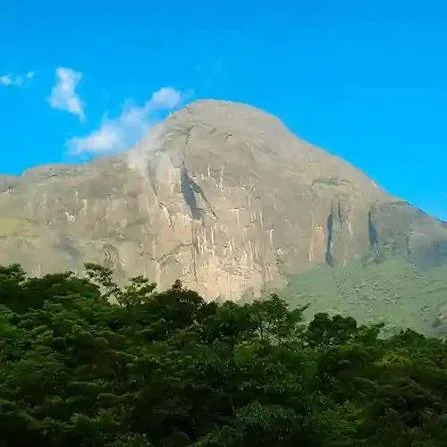
Agasthyarkoodam, also known as Agastya Mala, is one of the most significant mountain destinations in the Western Ghats of Kerala. Located within the Agasthyamala Biosphere Reserve, the mountain is part of the southern Western Ghats and is known for its rich biodiversity, forest ecosystems and cultural significance.
Standing at approximately 1,868 metres above sea level, Agasthyarkoodam is among the highest peaks in Kerala. The region is named after Sage Agastya, a revered figure in Indian traditions, and holds spiritual importance for many visitors. Its forests support a wide variety of plant species, birds and wildlife, making it an important area for ecological conservation.
Agasthyarkoodam is particularly popular among trekking enthusiasts and nature lovers. The trek passes through dense forests, mountain landscapes and diverse natural habitats. Unlike ordinary hill-station visits, access to Agasthyarkoodam is regulated by forest authorities, and trekking generally requires advance registration and official permission during designated seasons.
Travellers interested in exploring the natural heritage of Kerala can consider Agasthyarkoodam as part of a Western Ghats travel experience. Its combination of biodiversity, mountain scenery and cultural importance makes it one of the distinctive destinations in Thiruvananthapuram district.
Agasthyarkoodam is located in the Western Ghats, within the Agasthyamala Biosphere Reserve, in the southern part of Kerala near Thiruvananthapuram district.
Agasthyarkoodam is famous for its mountain trekking, rich biodiversity, dense forests, rare plant species and association with Sage Agastya.
Agasthyarkoodam reaches approximately 1,868 metres above sea level, making it one of the highest peaks in Kerala.
Yes. Trekking is permitted during designated seasons under forest department regulations. Visitors must obtain the required permission and follow official instructions.
Trekking generally takes place during the officially announced trekking season, often around January to March. Visitors should check current forest department announcements before planning.
Yes. Trekking access is regulated, and visitors must complete the required registration and obtain permission from the forest authorities.
The region supports diverse forest wildlife, including various bird species, butterflies, mammals and rare plant species. Wildlife sightings are not guaranteed.
The trek can be physically demanding because of its distance, elevation and forest terrain. Beginners should assess their fitness and follow official trekking requirements.